Expert Water Damage Restoration Services for Your Home
Water damage can be a real headache, can’t it? One minute everything’s fine, and the next you’ve got water where it shouldn’t be. Whether it’s a leaky pipe, a storm, or something else entirely, dealing with water damage is never fun. It can mess up your home, your stuff, and even cause health problems if you’re not careful. That’s where professional water damage restoration services come in. They know how to handle these situations and get your home back to normal.
Key Takeaways
- Understanding the different types of water damage, from clean water to sewage, is important for proper cleanup.
- Professional water damage restoration involves a step-by-step process including assessment, water removal, drying, and cleaning.
- Specialized techniques and equipment are used to tackle tough water damage issues and prevent future problems like mold.
- Working with your insurance company can be smoother with professional help to manage claims and paperwork.
- Knowing immediate steps to take and when to call professionals can significantly reduce the impact of water damage on your home.
Understanding Water Damage Restoration
When water unexpectedly invades your home, it can be a really unsettling experience. You might be wondering what exactly goes into fixing it all up. Water damage restoration is basically the whole process of cleaning up after water has caused problems, drying everything out, and getting your home back to how it was before the mess happened. It’s more than just mopping up puddles; it involves specialized techniques and equipment to handle everything from hidden moisture to potential structural issues.
What is Water Damage Restoration?
At its core, water damage restoration is the professional method used to repair homes and buildings after they’ve been affected by water. This includes everything from a leaky pipe to a major flood. The main goal is to remove the unwanted water, dry out all affected materials thoroughly, and then clean, sanitize, and restore the property to its original condition. This isn’t a DIY job for most situations because water can seep into places you can’t see, leading to bigger problems down the line if not handled correctly. Professionals use specific tools and knowledge to tackle these hidden issues.
Classifications of Water Damage
Not all water damage is the same, and understanding the different types helps in knowing how to approach the cleanup. The industry often categorizes water damage into three main classes, based on the level of contamination and the potential risk involved:
- Category 1: Clean Water. This comes from a source like a broken water supply line or a sink overflow. It’s generally not hazardous initially, but it can quickly become contaminated if it sits for a while.
- Category 2: Gray Water. This water has some level of contamination and could cause illness if ingested. Examples include water from a washing machine discharge or a dishwasher.
- Category 3: Black Water. This is the most dangerous type, containing harmful bacteria and contaminants. It often comes from sewage backups or floodwaters that have been standing for a long time.
Why Professional Water Damage Restoration Is Crucial
Trying to handle significant water damage yourself can often lead to more problems than it solves. Professionals bring a level of knowledge and equipment that’s hard to match. They can quickly assess the situation, identify all affected areas (even those you can’t see), and implement the right drying techniques. This prevents issues like mold growth and structural weakening. Getting a professional involved early can save you a lot of time, money, and stress in the long run. They also help with the often-confusing insurance claims process, making that part of the recovery smoother. Their quick response and thorough methods are key to a successful restoration.
The Water Damage Restoration Process
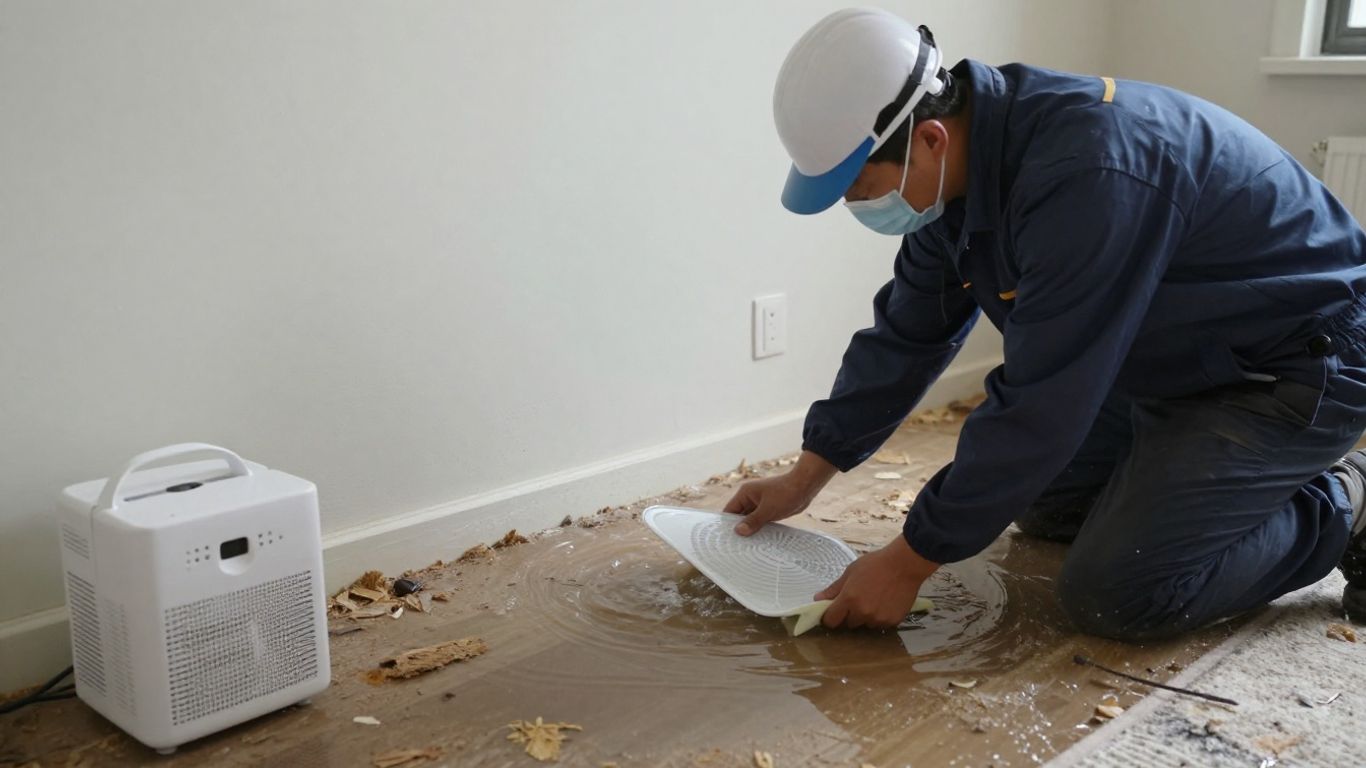
When water unexpectedly invades your home, it’s easy to feel overwhelmed. But knowing what happens next can make a big difference. Professional water damage restoration follows a structured approach to tackle the mess and get your home back to normal. It’s not just about mopping up; it’s a multi-step process designed to address the damage thoroughly and prevent future problems.
Emergency Contact and Initial Assessment
The moment you discover water damage, the clock starts ticking. The first step is usually a quick call to a restoration company. They’ll ask you some questions to get a handle on the situation and then schedule an inspection. This initial assessment is key to figuring out the extent of the damage and planning the best way to fix it. During this visit, professionals will look at the affected areas, identify any immediate hazards, and determine what can be saved. They’ll also help pinpoint the source of the water if it’s still active.
Thorough Water Extraction
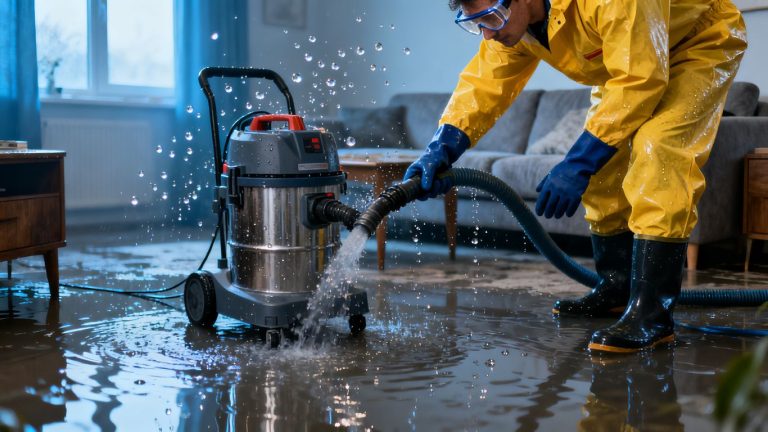
Once the assessment is done, the real work begins with removing the standing water. This is usually done with powerful pumps and specialized extraction equipment. Getting rid of this excess water quickly is important because it stops the damage from spreading further into your home’s structure and significantly speeds up the drying process. Depending on how much water is involved, this step can involve removing hundreds or even thousands of gallons.
Drying and Dehumidifying Affected Areas
After the bulk of the water is gone, there’s still moisture hidden in walls, floors, and even furniture. This is where specialized drying equipment comes in. Professionals use industrial-strength air movers and dehumidifiers to pull out the remaining moisture. They’ll strategically place this equipment to target specific areas and bring materials back to their normal moisture levels. This equipment is typically set up during the first visit and monitored daily to make sure everything is drying properly and efficiently.
Cleaning, Sanitizing, and Deodorization
Water damage often leaves behind more than just wetness; it can bring odors and even bacteria, especially if the water wasn’t clean to begin with. This stage involves cleaning all affected surfaces, furniture, and belongings. Professionals use special cleaning solutions and techniques to remove stains, sanitize surfaces to prevent mold and mildew growth, and eliminate any lingering odors. This step is vital for making your home not only look clean but also feel and smell fresh again.
Addressing Specific Water Damage Challenges
Water damage isn’t always straightforward. Sometimes, it’s more than just a leaky pipe. We’re talking about situations that require specialized knowledge and equipment to handle safely and effectively.
Sewage Backup Cleanup and Remediation
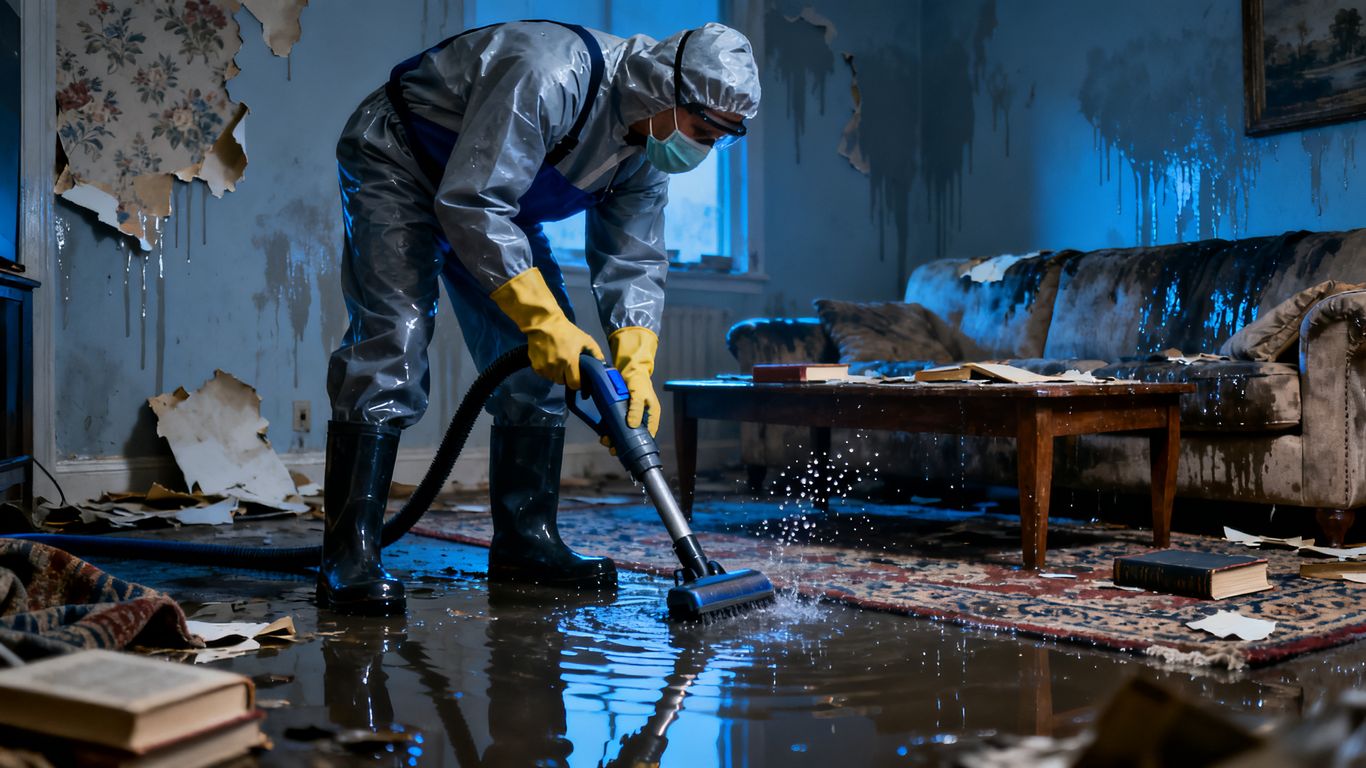
Sewage backups are a serious problem. This isn’t just dirty water; it’s often full of harmful bacteria and viruses. It’s a health hazard that needs immediate attention. When this happens, you can’t just mop it up. It requires a professional approach to clean, sanitize, and make the area safe again. We use special tools and cleaning agents to tackle this type of contamination, making sure everything is disinfected properly. It’s a messy job, but someone’s gotta do it, and we’re trained for it.
Restoring Possessions and Contents
When water hits your home, it doesn’t just damage the walls and floors. Your personal belongings – furniture, clothes, books, photos, and heirlooms – can also be affected. Sometimes, these items can be saved. We carefully assess what can be restored and use different methods, like dry cleaning, wet cleaning, or even specialized foam cleaning for delicate fabrics. We can even pack out items to a secure facility for restoration and storage while your home is being repaired. It’s about saving what you can, especially those sentimental pieces that can’t be replaced.
Mold and Mildew Prevention
One of the biggest worries after water damage is mold. Mold can start growing in as little as 24-48 hours in damp conditions. It not only looks bad but can also cause health problems and further damage your home. Our process includes thorough drying and dehumidifying to stop mold before it starts. We also use antimicrobial treatments in affected areas. Keeping your home dry is the best defense against mold and mildew taking hold.
Dealing with water damage can feel overwhelming, especially when it involves sewage or affects your cherished belongings. It’s important to remember that specialized help is available to tackle these tougher situations and restore your home and possessions.
Advanced Techniques in Water Damage Restoration
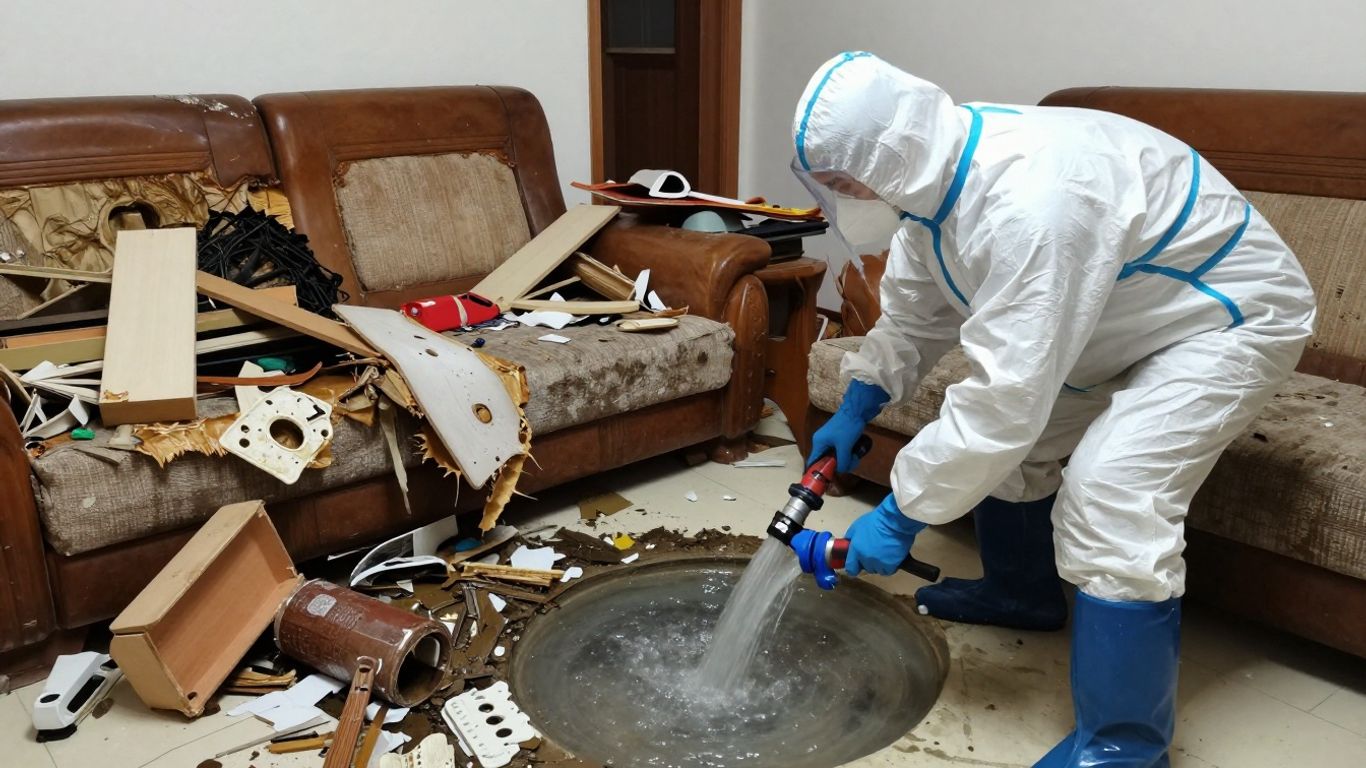
Targeted Heat and Airflow for Drying
When water gets into your home, it doesn’t just sit on the surface. It soaks into walls, floors, and even the stuff inside those walls. Simply blowing air around might not be enough. That’s where targeted heat and airflow come in. Professionals use special equipment to gently raise the temperature in affected areas and direct air precisely where it’s needed most. This helps to speed up the drying process deep within materials, preventing issues like warping or swelling that can happen if things dry too slowly or unevenly. It’s all about getting the moisture out efficiently and safely.
Utilizing Latest Drying Systems
Technology in water damage restoration is always moving forward. We’re not just talking about basic fans anymore. Think industrial-grade dehumidifiers that pull massive amounts of moisture from the air, specialized drying systems that can be placed directly against wet materials, and even thermal imaging cameras to find hidden moisture. These advanced tools allow restoration teams to tackle even the most stubborn dampness. The goal is to bring materials back to their normal moisture levels as quickly as possible. This helps stop secondary damage like mold growth before it even starts. It’s a big step up from older methods.
Restoring Structural Stability
Sometimes, water damage can weaken the very structure of your home. This is especially true if water sits for a long time or if it affects load-bearing parts of the building. Advanced restoration techniques go beyond just drying surfaces. They involve assessing the structural integrity of walls, floors, and ceilings. If needed, specialized equipment and methods are used to support weakened areas during the drying process. This might include temporary bracing or using controlled drying to prevent further collapse. The aim is to not only dry out the water but also to make sure your home is safe and sound afterward. It’s about getting your home back to how it was, or even better.
The key to effective water damage restoration lies in a multi-faceted approach. It combines rapid water extraction with precise drying methods and careful monitoring to prevent long-term issues. Professionals use specialized equipment to tackle moisture that isn’t visible to the naked eye, ensuring that all affected areas are properly dried and restored.
Working With Your Insurance
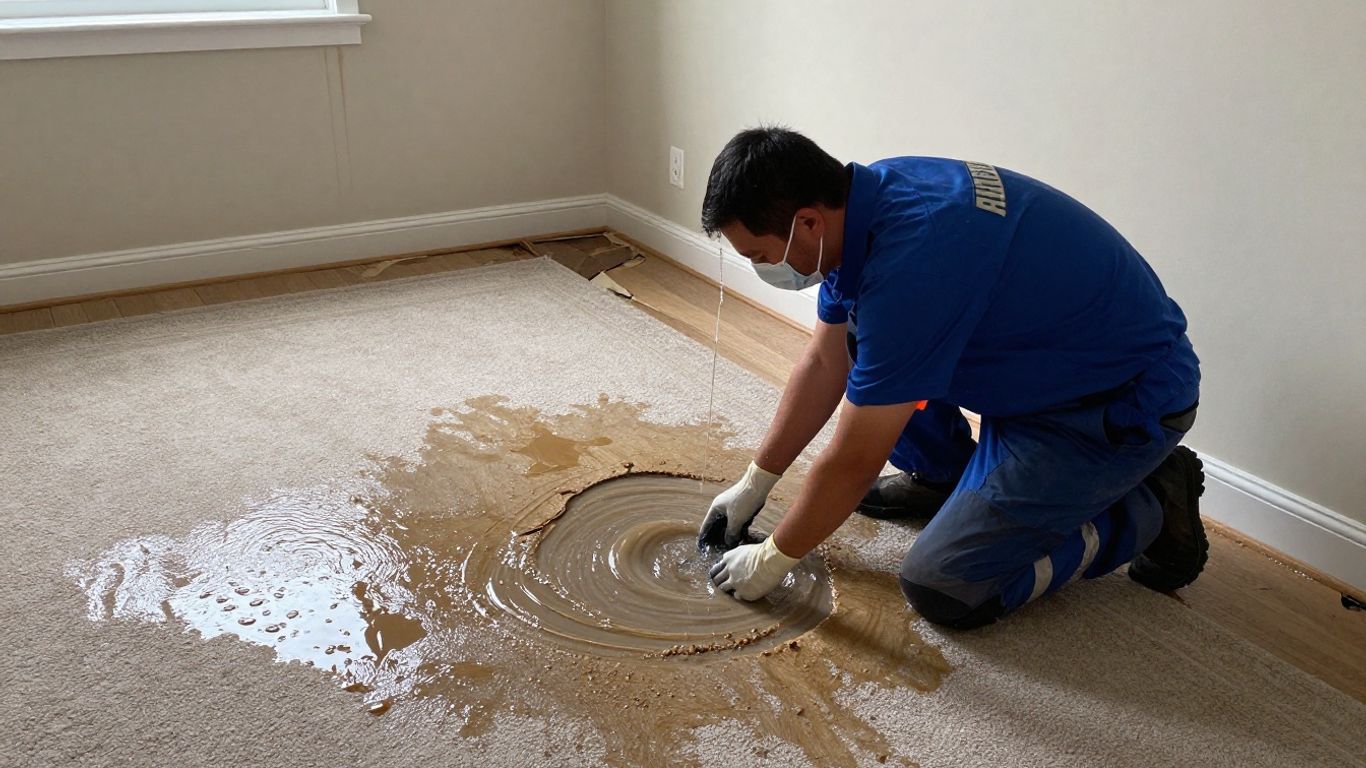
Dealing with water damage is stressful enough without adding the headache of insurance claims. It’s important to know your rights and how the process works. Many homeowners aren’t sure where to start when it comes to filing a claim, and insurance companies can sometimes make it feel like a maze. We’re here to help simplify that for you.
Navigating the Insurance Claims Process
When water damage strikes, your first thought might be to call your insurance company. While that’s a step, it’s often best to contact a restoration professional first. Why? Because insurance policies usually require you to take immediate steps to prevent further damage. Waiting for an adjuster could mean more damage occurs, potentially jeopardizing your claim. We can start the mitigation process right away, stabilizing the situation. We’ll work with your adjuster, meeting them on-site to explain the damage and the necessary work. This collaboration helps ensure they have all the information needed to process your claim correctly.
Coordinating Paperwork for Faster Claims
Getting your claim processed quickly often comes down to good documentation. We understand that most people haven’t filed many insurance claims, and the paperwork can seem overwhelming. Our team is experienced in preparing detailed documentation, including scope of work and billing, to provide directly to your insurance adjuster. This helps streamline communication and can speed up the approval and payment process. We aim to handle the heavy lifting so you can focus on getting your home back to normal.
Understanding Policy Coverage for Water Damage
Insurance policies can be complex, and understanding what’s covered can be tricky. Generally, sudden and accidental water damage, like a burst pipe, is covered. However, damage from neglect or poor maintenance, such as a slow leak that goes unnoticed for a long time, might not be. It’s always a good idea to review your policy or speak with your agent to clarify your coverage. We can help you understand the restoration side of things, but your insurance policy is the ultimate guide to what your provider will pay for. We can also bill your insurance company directly for covered services, meaning you typically only pay your deductible.
Here’s a quick look at common scenarios:
- Covered: Burst pipes, overflowing toilets or sinks (sudden), storm damage (if not excluded).
- Potentially Not Covered: Flooding from external sources (usually requires separate flood insurance), damage from lack of maintenance (e.g., long-term leaks).
It’s your right to choose your own contractor. Adjusters might suggest specific companies, but you are not obligated to use them. Selecting a restoration company that prioritizes your needs is key to a proper and thorough repair.
We can help you get the process started, even before you have a confirmed insurance approval, to prevent further damage. This initial mitigation work is often covered by insurance if the claim is approved. You can find more information about water damage restoration services that can help you get started.
When Water Damage Strikes Your Home
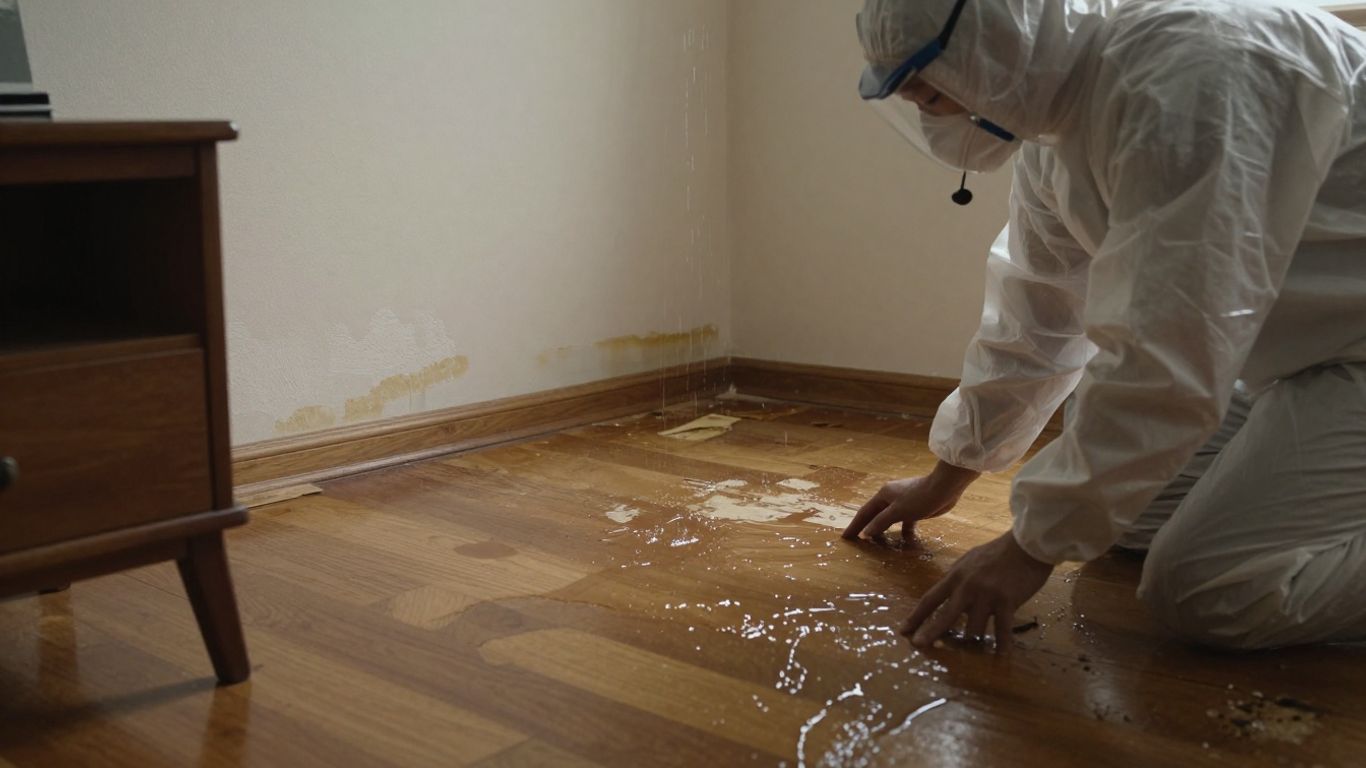
Nobody plans for water damage, but it can happen to anyone, anytime. Whether it’s a burst pipe, a leaky roof, or a backed-up sewer line, the situation can feel overwhelming fast. Knowing what to do immediately can make a big difference in how much damage occurs and how quickly your home can be restored. Don’t just stand there wondering what went wrong; take action.
Immediate Steps to Take Safely
When you first notice water damage, your safety is the top priority. Water and electricity are a dangerous mix, so if you see water near electrical outlets, switches, or appliances, stay clear. It’s best to shut off the power to the affected areas at the circuit breaker if you can do so safely. If the water source is obvious and you can stop it without risk – like turning off a valve to a burst pipe – do that. Otherwise, don’t try to be a hero; just focus on getting yourself and your family out of harm’s way. If you’re unsure about anything, especially electrical hazards, it’s better to wait for professionals.
Protecting Your Belongings
Once you’ve ensured everyone’s safety, try to salvage what you can. Move furniture, electronics, and important documents away from wet areas. If furniture legs are sitting in water, place blocks or aluminum foil under them to prevent further staining and damage to your floors. Upholstered items should have their cushions propped up to allow air to circulate and dry them out. Don’t put cushion covers in the washing machine, as this can sometimes make things worse. For items like furs or leather goods, hang them separately at room temperature to dry.
When to Call Professionals
While some minor water issues might seem manageable, most water damage situations require professional help. The longer water sits, the more damage it causes, leading to structural issues and potential mold growth. If you have significant flooding, sewage backup, or water that has penetrated walls or ceilings, it’s time to call in the experts. They have the specialized equipment and knowledge to extract water efficiently, dry out your home thoroughly, and prevent long-term problems. For immediate assistance, especially in emergencies, look for a service that offers 24/7 emergency response. They can assess the situation quickly and start the restoration process right away, which is key to minimizing the impact on your home and belongings.
Don't Wait to Fix Water Damage
So, water damage happens. It’s a pain, and honestly, it can be pretty scary dealing with it. But remember, the sooner you get professionals involved, the better. They know all the tricks to get your home dry and back to normal, and they can handle everything from the messy cleanup to fixing up any damage. Plus, they can often work with your insurance company, which is a big help. Don’t let water damage stick around and cause more problems – call in the experts to get your home safe and sound again.
Frequently Asked Questions
What exactly is water damage restoration?
Water damage restoration is the process professionals use to fix your home after it’s been damaged by water. This involves removing the water, drying everything out, cleaning up any mess, and making sure mold doesn’t start to grow. Their goal is to get your home back to how it was before the water problem.
How do professionals figure out how bad the water damage is?
Experts look at the situation carefully. They check how much water there is, where it came from, and what’s wet. They also think about if the water is clean or dirty, as this affects how they clean it. This helps them make a plan to fix everything.
Why can't I just dry my home myself after water damage?
While you can do some things, professional help is often needed because water can hide in walls and under floors. Professionals have special tools to find and remove all the moisture. If water isn’t fully removed, it can lead to bigger problems like mold and damage to the structure of your house.
What are the different types of water damage?
Water damage is usually put into three classes. Class 1 is clean water, like from a leaky sink. Class 2, or ‘gray water,’ is a bit dirtier and could make you sick, like from a washing machine. Class 3, or ‘black water,’ is very dirty and dangerous, often from floods or sewage backups.
Will my insurance cover water damage?
Many home insurance policies cover some types of water damage, but it really depends on your specific plan and what caused the water problem. It’s best to call your insurance agent to understand what your policy covers. Sometimes, special insurance is needed for flood damage.
What should I do right away if I have water damage?
First, try to stop the water source if you can do it safely. If water has gotten into electrical areas, turn off the power to those parts of the house if it’s safe. Remove any standing water you can with towels or mops. Move furniture away from wet spots and try to keep important items safe.