Advanced Water Remediation Techniques for a Healthier Home
Water damage can really mess up your home, and with the weather getting weird, it seems to be happening more often. But here’s the thing, fixing it doesn’t have to mean using a bunch of harsh chemicals or wasting energy. We’re going to look at some smarter ways to handle water issues, keeping your home healthy and the planet happy. It’s about using better tools and methods for water remediation that are good for everyone.
Key Takeaways
- Advanced water extraction uses less power with things like efficient pumps and tools that find moisture without wrecking your walls.
- Drying out your home smartly means using low-energy equipment and letting nature help with airflow when you can.
- Cleaning up after water damage can be done with natural stuff, like oxygen bleach or vinegar, instead of harsh chemicals.
- Getting rid of mold naturally uses things like enzymes or essential oils, avoiding toxic treatments.
- After the cleanup, good air filters and purifiers are needed to make sure the air you breathe is clean and healthy.
Advanced Water Extraction Techniques
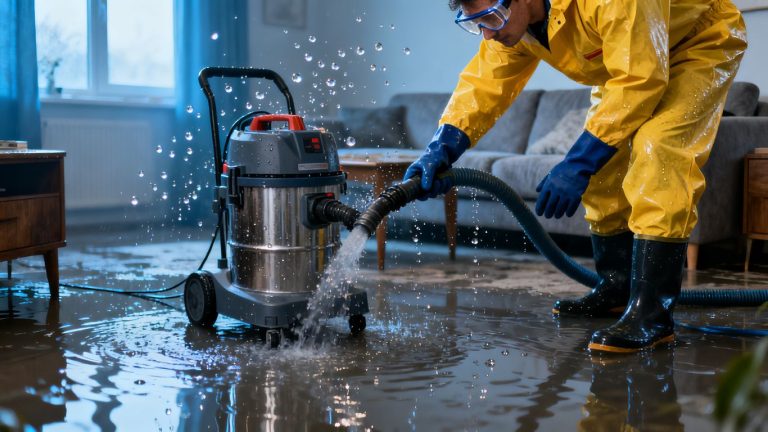
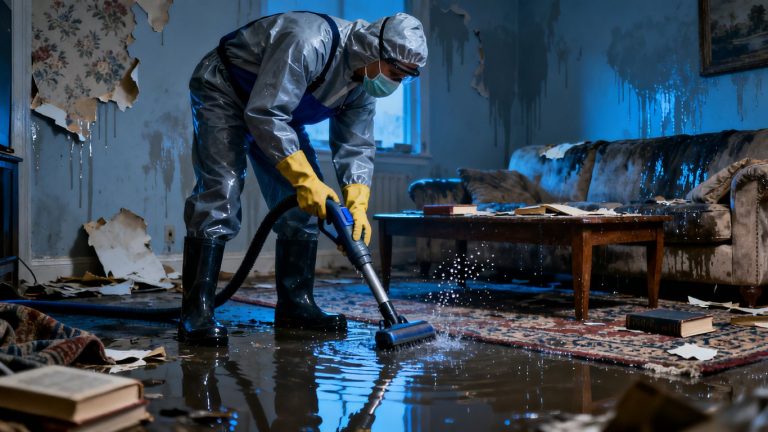
When water damage strikes, getting the water out fast is the first big hurdle. It’s not just about mopping up puddles; it’s about stopping the damage from spreading and preventing bigger problems down the line, like mold. The old ways of just using buckets and towels just don’t cut it for anything more than a tiny spill. We’re talking about serious water removal here, and that means using some pretty smart tools.
Energy-Efficient Submersible Pumps
For standing water, especially in basements or flooded areas, submersible pumps are the go-to. These aren’t the clunky old models either. Today’s pumps are designed to be way more efficient, using less electricity to move a lot more water. This means they can clear out large volumes of water quickly without racking up a huge energy bill or putting a massive strain on the power grid. They’re built to handle the job, pushing water away from your home so the drying process can begin. It’s a pretty straightforward but incredibly effective piece of equipment for tackling serious flooding. You can find these pumps used for everything from minor basement leaks to major flood cleanup, making them a versatile tool in water damage mitigation. They are a key part of any professional water damage restoration plan.
Moisture Meters for Targeted Detection
After the bulk of the water is gone, the real challenge is finding all the hidden moisture. Water loves to seep into walls, floors, and even furniture, and you can’t always see it. That’s where moisture meters come in. These handy devices can pinpoint exactly where the dampness is hiding. They work by measuring the electrical resistance or capacitance of materials, which changes based on their moisture content. This targeted approach means you’re not just randomly drying areas; you’re focusing your efforts where they’re needed most. This saves time and energy, and it’s super important for making sure mold doesn’t get a chance to grow in those unseen damp spots. Some meters can even give you a numerical reading, so you know when a material is truly dry. This precision is what separates a good job from a great one.
Rechargeable Battery-Powered Devices
Think about all those tools you might need to use in different spots around your house. Having to constantly find an outlet or deal with messy cords can slow things down. That’s why many of the newer, smaller water extraction and detection tools are now coming with rechargeable batteries. This includes things like portable wet/dry vacuums, smaller pumps, and of course, those moisture meters we just talked about. Being able to just grab a tool and go, without worrying about power sources, makes the whole process much smoother. Plus, using rechargeable batteries cuts down on waste compared to disposable ones, which is a nice bonus for the environment. It’s all about making the cleanup process as efficient and hassle-free as possible.
Green Drying and Dehumidification Strategies
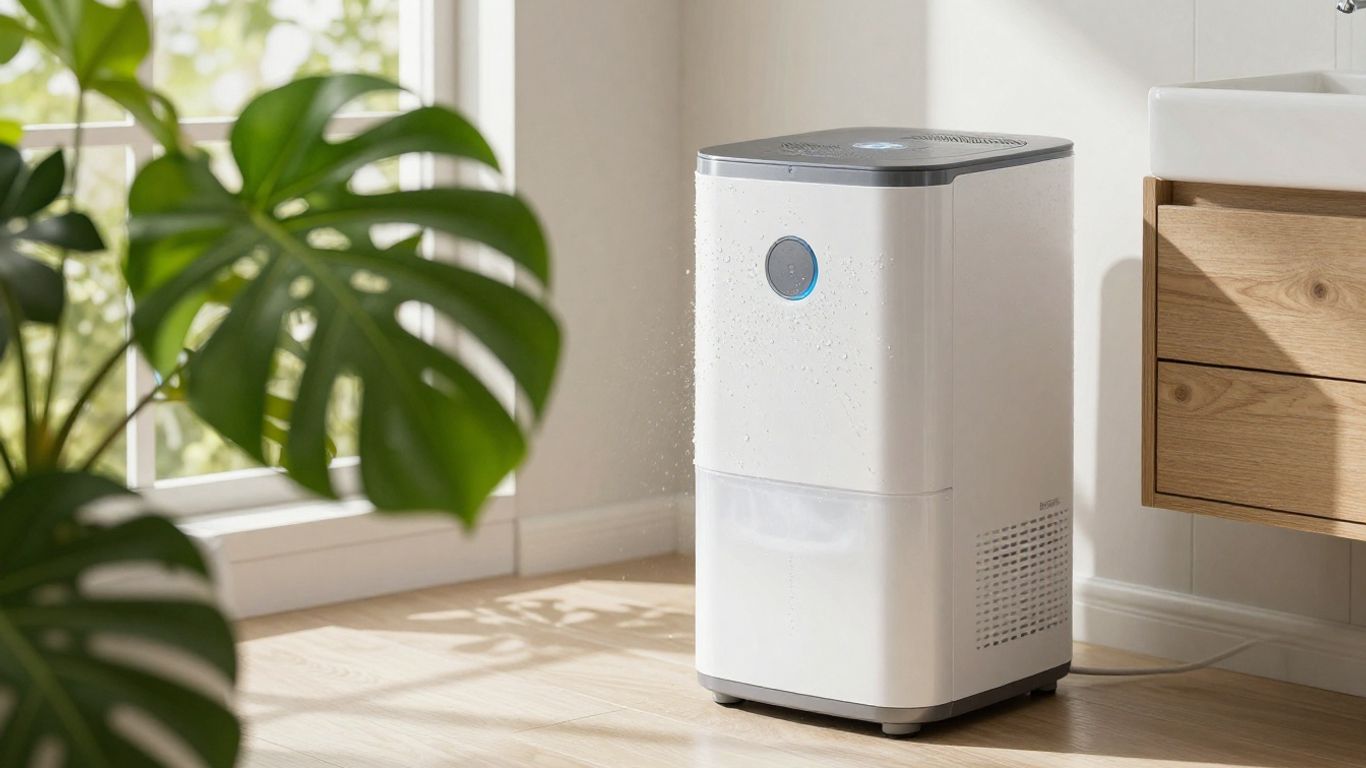
After the initial water extraction, getting things dry is the next big hurdle. This is where green drying and dehumidification strategies really shine, focusing on efficiency and minimizing energy use. The goal is to remove all lingering moisture without running up a huge electricity bill or using harsh chemicals.
Low-Energy Air Movers and Dehumidifiers
Modern equipment is designed to be much more power-friendly than older models. You’ll find air movers and dehumidifiers that do a great job of circulating air and pulling moisture out of the environment, but they sip power instead of guzzling it. This means they can run for longer periods, which is often necessary for proper drying, without a massive impact on your energy consumption. It’s all about using smart technology to get the job done right.
Promoting Natural Ventilation
Sometimes, the best tool is free: fresh air. When conditions allow, opening windows and doors can significantly help with drying. This natural airflow helps to exchange moist indoor air with drier outdoor air, speeding up the evaporation process. It’s a simple yet effective way to reduce reliance on powered equipment. Of course, this only works if the outside air isn’t more humid than the inside, so you have to be a bit strategic about it.
Maintaining Structural Integrity
Proper drying and dehumidification aren’t just about making things feel dry; they’re critical for the long-term health of your home. Lingering moisture can weaken building materials, leading to rot and other structural issues down the line. By using efficient drying methods, you’re not just cleaning up a mess; you’re actively protecting your home’s foundation and framework. This proactive approach can prevent much bigger, more expensive problems later on.
It’s essential to understand that drying goes deeper than just the surface. It targets the hidden moisture that can cause significant damage over time. Employing these techniques helps protect your home from issues like mold and material degradation, safeguarding your living space.
Here’s a quick look at what goes into effective green drying:
- Strategic Placement: Air movers and dehumidifiers are positioned to create optimal airflow patterns.
- Monitoring Humidity: Using tools to track the relative humidity levels helps determine when drying is complete.
- Temperature Control: Maintaining a suitable temperature aids in the evaporation process without excessive energy use.
When dealing with water damage, getting the drying process right is key to preventing secondary issues like mold growth. Professionals often use scientific drying techniques that rely on understanding how moisture moves and evaporates, which is a core part of water damage restoration.
Environmentally Safe Cleaning and Sanitization
After the water’s out and things are mostly dry, the next big step is making sure everything is clean and safe. This isn’t just about making it look good; it’s about getting rid of anything that could cause problems later, like bacteria or mold spores. The goal is to sanitize without introducing more harsh chemicals into your home or the environment.
Natural Cleaning Solutions
Forget those strong chemical cleaners that make you hold your breath. There are plenty of natural options that work just as well, if not better, for tackling grime and sanitizing surfaces. These solutions are kinder to your health and the planet.
- Vinegar: A fantastic all-around cleaner and disinfectant. Its acidity helps break down soap scum and mineral deposits, and it’s effective against many types of bacteria.
- Baking Soda: Great for scrubbing away tough spots and absorbing odors. You can make a paste with water for a gentle abrasive cleaner.
- Lemon Juice: Natural bleaching properties and a fresh scent make it good for tackling stains and leaving surfaces smelling clean.
Oxygen Bleach for Grime Removal
When you’re dealing with tougher stains or need a more powerful sanitizing effect, oxygen bleach is a great alternative to traditional chlorine bleach. It’s made from ingredients like sodium percarbonate, which releases oxygen when mixed with water. This oxygen helps lift and break down dirt, grime, and even some stains. It’s generally safer for fabrics and surfaces than chlorine bleach and breaks down into harmless substances, making it a much greener choice for your home. You can find it in powdered form and mix it with water to create a cleaning solution. It’s particularly useful for tackling mildew stains and general sanitization after water damage. For more information on effective cleaning, you might find resources on household chlorine bleach helpful, but remember oxygen bleach is often the preferred eco-friendly option.
EPA-Approved Antimicrobial Treatments
Sometimes, especially after significant water damage, you need something a bit more robust to ensure all harmful microorganisms are neutralized. This is where EPA-approved antimicrobial treatments come in. These products are specifically designed to kill bacteria, viruses, and mold spores. The Environmental Protection Agency (EPA) reviews these treatments to make sure they are effective and safe for use in homes when applied according to the instructions. They are often used by professionals to guarantee that the treated areas are thoroughly sanitized and safe for inhabitants. Choosing EPA-approved products means you’re opting for treatments that have met strict standards for public health and environmental safety.
Proper sanitization is key to preventing secondary issues like mold growth and ensuring the air you breathe indoors is healthy. It’s about restoring not just the appearance, but the safety of your living space.
Natural Mold and Mildew Remediation
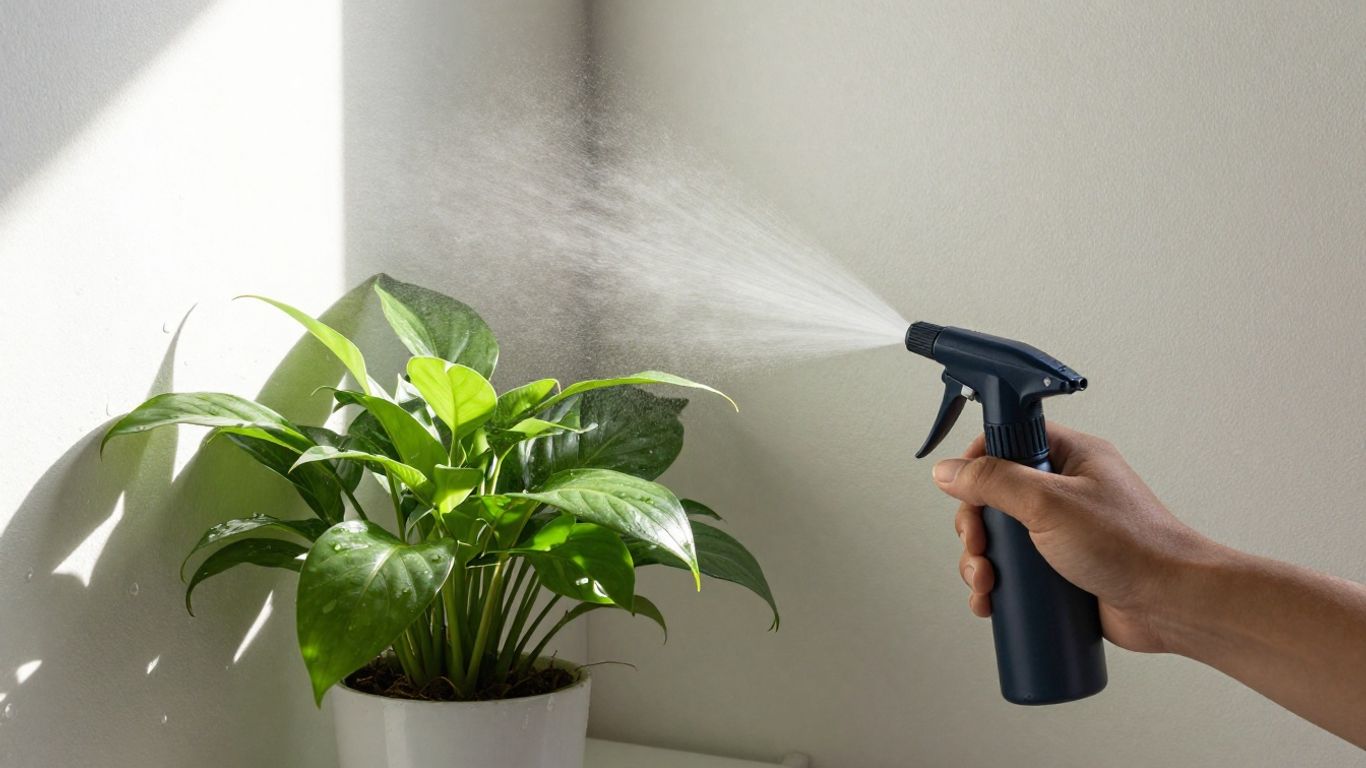
Dealing with mold and mildew after water damage can feel overwhelming, but there are ways to tackle it without resorting to harsh chemicals. The goal is to remove the existing growth and create an environment where it can’t come back. Focusing on natural methods can be just as effective and much better for your home’s air quality.
Enzyme-Based Treatments
Enzymes are nature’s cleaners. They work by breaking down organic matter, which is exactly what mold feeds on. These treatments are non-toxic and safe to use around kids and pets once dry. They get into porous materials, like drywall and wood, to break down the mold’s food source, making it harder for mold to regrow.
Here’s a general approach:
- Identify the affected area: Pinpoint where the mold is growing.
- Apply the enzyme cleaner: Follow the product instructions, usually involving spraying the solution directly onto the moldy surface.
- Allow dwell time: Let the enzymes work their magic for the recommended period. This is key for them to break down the mold.
- Wipe or scrub: Gently remove any remaining residue. For tougher spots, a soft brush might be needed.
- Dry thoroughly: Make sure the area is completely dry to prevent moisture from returning.
Essential Oils for Mold Control
Certain essential oils have natural antifungal properties. Think tea tree oil, eucalyptus, or clove oil. These can be used as a preventative measure or for light mold issues. They work by disrupting the mold’s cell membranes.
To use them:
- Mix about 10-20 drops of your chosen essential oil with a cup of water in a spray bottle.
- Shake well before each use.
- Spray the solution onto mold-prone areas or directly onto small patches of mold.
- Let it air dry. You don’t need to rinse it off.
Be aware that essential oils can be potent, so always test on an inconspicuous spot first and ensure good ventilation when applying.
Vinegar and Borax Applications
White vinegar is a surprisingly effective mold killer. Its acidity can break down mold and kill about 80% of mold species. Borax, a naturally occurring mineral, is also a great option. It’s a fungicide, insecticide, and deodorizer all in one.
Using Vinegar:
- Pour undiluted white vinegar into a spray bottle.
- Spray it generously onto the moldy surface.
- Let it sit for about an hour.
- Wipe the area clean with a damp cloth and allow it to dry.
Using Borax:
- Mix about 1 cup of borax with a gallon of water.
- Apply the solution to the moldy areas using a sponge or cloth.
- Scrub the mold away.
- Do not rinse the borax solution off; leaving it on helps prevent future mold growth. Just let it dry.
These natural methods are great for tackling mold in its early stages or for regular maintenance. They help keep your home healthy without introducing harsh chemicals into the environment. Remember, the key to preventing mold is controlling moisture, so always address any water leaks or high humidity issues first.
For more information on managing water damage and its aftermath, you might find resources on water damage restoration helpful.
Air Filtration and Purification Post-Remediation
After dealing with water damage or flooding, it’s not just about drying things out; it’s about making sure the air inside your home is safe to breathe again. This isn’t something you want to overlook, trust me. Mold, bacteria, and dust can linger in the air long after surfaces look dry, making the right air cleaning steps so important.
HEPA Filters for Particle Capture
HEPA filters are used to grab tiny particles left behind after water damage, like dust, mold spores, and other allergens. These filters force air through a fine mesh designed to trap very small particles that other types of filters might miss. You’ll find HEPA filters in air scrubbers and vacuums used by remediation pros. While they’re not a magic bullet, they really reduce airborne irritants and are often a must when remediation is involved.
| Device | Benefit |
|---|---|
| HEPA-filtered Vacuum | Removes mold and dust |
| Air Scrubber w/ HEPA | Captures airborne particles |
| HVAC HEPA Upgrade | Improves home-wide air quality |
Air Scrubbers for Air Quality Restoration
Air scrubbers take things to the next level after a big water event. Using a powerful fan and multiple stages of filtration, air scrubbers trap particles, odors, and even some microbes. For homes that had a lot of standing water or where the water was dirty, air scrubbers are often used with negative air pressure setups to keep contaminated air from spreading.
- Removes lingering odors
- Captures tiny particles, including mold spores
- Helps create a healthier living area after cleanup
- Meets recommended standards for homes with recent water or fire damage
If you want to know more about how air scrubbers help with restoration, especially after heavy flooding or contaminated water, look at how professionals use air scrubbers to improve indoor air.
Comprehensive Air Quality Management
Getting rid of contaminants goes beyond just running a filter for a few hours. Full air quality management might include testing before and after, running air scrubbers for the right amount of time, and making sure there are no dead spots where unhealthy air can stick around. Here’s how a typical process might look:
- Pre-remediation air sample is collected
- HEPA filters and air scrubbers are operated during and after physical cleanup
- Post-remediation air test checks for mold or bacteria
- Long-term solutions might include upgrading home HVAC filters or adding regular air monitoring
Air quality isn’t something you want to ignore after dealing with water damage. Even if things look clean, invisible particles can still put your health at risk, especially for people with allergies or asthma.
For even more security, consider using these strategies together with proper drying practices to control moisture and stop future airborne problems before they start.
Sustainable Water Damage Prevention
Preventing water damage in the first place is way better than dealing with the mess afterward. It’s all about being proactive and keeping an eye on things. Think of it like regular check-ups for your house – catching small issues before they turn into big, soggy problems.
Regular Maintenance Checks
This is probably the most straightforward part. It means just taking a little time now and then to look around and make sure everything’s in good shape. You don’t need to be a contractor to do this. Just a quick walk-through can save you a lot of headaches.
- Gutters and Downspouts: Make sure they’re clear of leaves and debris. Clogged gutters can overflow, sending water right down your foundation. Keeping them clean is a simple but effective way to protect your home.
- Roof: Look for any missing or damaged shingles. A small leak in the roof can cause major damage inside over time.
- Pipes and Hoses: Check under sinks and around appliances for any drips or signs of corrosion. Also, inspect outdoor hoses for cracks or leaks, especially before winter.
- Foundation: Look for cracks or signs of water pooling near your house. The ground around your foundation should slope away from the building to help water drain off. You can learn more about proper grading and drainage here.
Sustainable Construction Materials
When you’re building or renovating, picking the right materials makes a difference. Some materials are just naturally more resistant to water and mold. Using these can make your home more resilient.
- Moisture-Resistant Drywall: Consider using drywall specifically designed to resist moisture, especially in bathrooms or basements.
- Waterproof Sealants: Applying sealants to grout lines, windows, and doors can stop water from seeping in.
- Durable Flooring: Opt for materials like tile, vinyl, or concrete in areas prone to moisture, rather than carpet or untreated wood.
Mindful Water Usage Practices
How we use water inside our homes also plays a role. Being conscious of leaks and how we manage water can prevent issues.
- Fix Leaks Promptly: Even a small drip from a faucet can waste a lot of water and potentially cause damage over time. Get those fixed ASAP.
- Appliance Maintenance: Regularly check washing machine hoses, dishwasher connections, and refrigerator ice maker lines for wear and tear.
- Know Your Water Shut-Off Valve: It’s a good idea to know where your main water shut-off valve is located. In an emergency, shutting off the water quickly can minimize damage.
Preventing water damage isn’t just about avoiding costly repairs; it’s about maintaining the health and safety of your living space. Small, consistent efforts in maintenance and mindful practices can significantly reduce the risk of future problems, keeping your home dry and secure.
Professional Water Remediation Services
When water damage strikes, calling in the pros is often the smartest move. Trying to handle a big flood or a persistent leak yourself can feel overwhelming, and honestly, you might not get the job done right. Professional water remediation teams come equipped with specialized gear and know-how that the average homeowner just doesn’t have. They can quickly assess the situation, figure out how bad the damage really is, and get to work on fixing it.
Expert Structural Assessment
One of the first things these pros do is take a close look at your home’s structure. Water can sneak into places you wouldn’t even think of, like behind walls or under floors. Professionals use tools like moisture meters and thermal imaging cameras to find every damp spot. This helps them understand the full extent of the problem, which is super important for making sure everything gets dried out properly and preventing future issues like mold. They’ll also check for any damage to the building materials themselves.
Scientific Drying Methods
Forget just opening windows and hoping for the best. Professionals use science-backed methods to dry your home. This usually involves using powerful air movers to circulate air and industrial-strength dehumidifiers to pull moisture out of the air and materials. They carefully monitor humidity and moisture levels, adjusting their equipment as needed. This systematic approach is way more effective than DIY methods and helps prevent warping, rot, and other long-term problems. For serious water issues, you might need to look into water damage restoration services.
Post-Mitigation Testing and Verification
After the main cleanup and drying are done, the job isn’t quite finished. Professionals will conduct tests to make sure your home is truly dry and safe. This might involve using moisture meters again to check materials and air sampling to confirm that mold spores are at safe levels. This verification step gives you peace of mind, knowing that the remediation was successful and your home is healthy again. It’s a critical part of the process that many homeowners overlook. If you’re in the Stouffville area, Ontario Property Rescue can help with these services.
Wrapping Up: A Healthier Home, A Healthier Planet
So, we’ve looked at a bunch of ways to deal with water issues in your home, and it turns out there are some pretty neat, earth-friendly options out there. It’s not just about fixing the immediate mess; it’s about making choices that are better for us and for the planet in the long run. Using natural cleaners, smarter drying methods, and even just being mindful about preventing problems in the first place can make a big difference. It might seem like a lot, but taking these steps means a safer, healthier home for your family and a little less strain on the environment. Pretty good trade-off, right?
Frequently Asked Questions
What are the main ways to get water out of my house after a flood?
After water damage, the first step is to remove standing water. This is often done using powerful pumps. Then, special machines called dehumidifiers and air movers are used to dry out the rest of the moisture from the air and surfaces. It’s important to get as much water out as quickly as possible to prevent more damage.
Are there eco-friendly ways to dry out a house?
Yes, there are! Instead of using equipment that uses a lot of electricity, you can use more energy-efficient air movers and dehumidifiers. Sometimes, just opening windows to let fresh air in can help dry things out naturally, especially if the weather is good. This saves energy and is better for the environment.
What are some natural cleaning solutions for water damage cleanup?
You can use things found in nature to clean up after water damage. For example, a mix of baking soda and water can help clean surfaces. Vinegar is also good for cleaning and can help kill some germs. These natural cleaners are safer for your home and the planet than harsh chemical cleaners.
How can I get rid of mold without using strong chemicals?
Mold can be a big problem after water damage. You can use natural methods to fight it. Things like tea tree oil or vinegar can help kill mold. There are also special treatments that use natural enzymes to break down mold and mildew. These are safer for you and the environment.
Why is air filtration important after water damage?
When water damage happens, tiny particles like mold spores can get into the air. These can make it hard to breathe or cause allergies. Air filters, especially ones with HEPA filters, can trap these small particles. Air scrubbers help clean the air even more, making your home healthier to live in again.
How can I prevent water damage in my home?
The best way to deal with water damage is to prevent it! Check for leaks regularly, especially around pipes and appliances. Make sure your roof and gutters are in good shape. Using water wisely and fixing small drips right away can save you a lot of trouble and money down the road.